

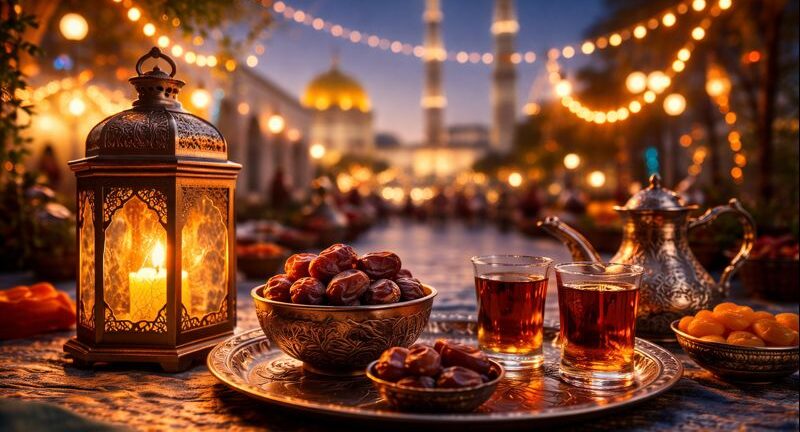
Ramadan is not just a month of fasting in Kuwait—it is a complete lifestyle shift. From the way people work and shop to how families gather and cities come alive at night, everything changes. The rhythm of the day slows, while the nights become full of energy, spirituality, and togetherness.
For residents and visitors alike, Ramadan offers a unique experience that blends faith, culture, and community.
A Slower, Calmer Daytime
During Ramadan, daily routines in Kuwait shift to match fasting hours. People wake up early for Suhoor, the pre-dawn meal, and begin their fast at Fajr prayer. Throughout the day, most people avoid eating, drinking, and smoking in public.
Work hours are reduced, and offices usually operate on shorter schedules. This allows employees to conserve energy while fasting. Government offices, banks, and many private companies adjust their timing, often starting later in the morning and closing earlier in the afternoon.
Streets feel quieter during the day, especially in the early afternoon, as people rest to prepare for the evening.
The City Wakes Up at Night
Once the sun sets and the call to prayer announces Iftar, the entire atmosphere changes. Families gather around tables filled with traditional and modern dishes. Restaurants, hotels, and cafés become busy as people head out to break their fast together.
After Iftar, Kuwait transforms into a lively night city. Malls stay open until late, cafés are full, and streets buzz with activity. Many people go for Taraweeh prayers at mosques and then meet friends or family afterward.
Night becomes the new day.
Shopping & Social Life
Ramadan is also a big shopping season in Kuwait. Malls and souqs decorate their spaces with lanterns, crescent moons, and warm lights. Special Ramadan discounts attract families preparing for Eid.
Social life becomes more meaningful. Instead of daytime gatherings, people meet after Iftar. Homes are open for guests, and it’s common to share food with neighbors, friends, and those in need.
Food, Tradition & Togetherness
Traditional foods like dates, soups, samosas, and rice dishes appear on every table. At the same time, restaurants offer special Ramadan menus and buffets.
Charity is a strong part of the month. Many people donate meals, money, and food boxes to those less fortunate.
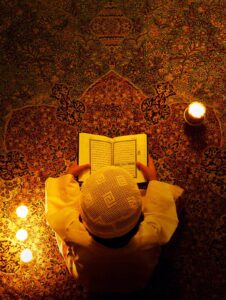
A Month That Brings Everyone Closer
In Kuwait, Ramadan changes not just the clock—but the heart of daily life. It creates a slower, more thoughtful daytime and a warm, vibrant night culture filled with faith, family, and generosity.