

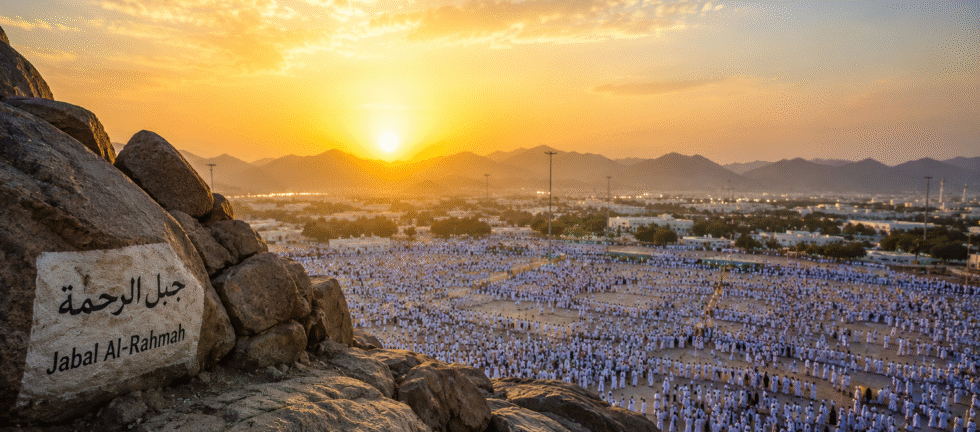
Every year, millions of Muslims around the world wait for the blessed days of Dhul Hijjah. Among these sacred days, the Day of Arafah and the act of Qurbani hold a very special place in Islam. These moments are not only religious traditions but also reminders of sacrifice, gratitude, faith, and compassion.
Whether you are fasting on the Day of Arafah, preparing for Eid Al Adha, or arranging your Qurbani, these acts carry deep spiritual meaning that connects Muslims across the world.
What Is the Day of Arafah?
The Day of Arafah falls on the 9th day of Dhul Hijjah, one day before Eid Al Adha. It is considered one of the holiest days in Islam. On this day, pilgrims performing Hajj gather at Mount Arafat in Mecca for worship and prayer.
For Muslims who are not performing Hajj, fasting on the Day of Arafah is highly recommended. According to Islamic teachings, fasting on this day wipes away sins from the previous and coming year.
The atmosphere during Arafah is deeply emotional. Mosques become crowded, families gather for prayers, and people spend the day making dua and seeking forgiveness.
You can also learn more about Islamic occasions and celebrations through IslamicFinder.
The Meaning Behind Qurbani
Qurbani, also known as Udhiyah, is the ritual sacrifice performed during Eid Al Adha. It honors the devotion of Prophet Ibrahim (AS), who was willing to sacrifice his son in obedience to Allah’s command before Allah replaced the sacrifice with a ram.
Today, Muslims around the world perform Qurbani by sacrificing livestock such as sheep, goats, cows, or camels. The meat is usually divided into three parts:
- One for the family
- One for relatives and friends
- One for people in need
This act reminds Muslims about generosity, sharing blessings, and caring for others.
For official Islamic guidance regarding Qurbani and Eid, many people refer to Saudi Ministry of Hajj and Umrah.
Why These Days Feel So Special
The days of Dhul Hijjah carry a peaceful and spiritual feeling that many Muslims deeply connect with. Homes prepare for Eid celebrations, charities organize meat distribution, and families come together after prayers.
In countries like Kuwait, the spirit of Eid Al Adha becomes visible everywhere. Markets become busy, families prepare traditional meals, and many people arrange Qurbani donations locally and internationally.
The beauty of Arafah and Qurbani is that they combine worship with humanity. It is not only about rituals, but also about remembering those in need and strengthening faith.
Spiritual Lessons From Arafah and Qurbani
1. Sacrifice Teaches Faith
Qurbani reminds Muslims that true faith sometimes requires sacrifice and patience.
2. Gratitude Matters
These days encourage people to appreciate their blessings and help others.
3. Charity Brings Communities Together
Distributing Qurbani meat supports families who may not otherwise enjoy Eid meals.
4. Forgiveness and Reflection
The Day of Arafah is one of the best opportunities for sincere repentance and personal reflection.
5. Unity Among Muslims
From Hajj pilgrims in Mecca to families celebrating at home, Muslims worldwide share the same spiritual experience.
Preparing for Eid Al Adha
As Eid approaches, many families prepare new clothes, organize gatherings, and plan meals together. Children wait excitedly for Eid prayers and celebrations.
If you are planning your Eid holidays or family outings, you may also enjoy reading:
Arafah and Qurbani are much more than yearly traditions. They are reminders of devotion, mercy, sacrifice, and unity. These sacred days encourage Muslims to reconnect with faith, support others, and appreciate life’s blessings.
As the blessed days of Dhul Hijjah arrive, many people take time to pray more, forgive more, and give more. That is what makes Eid Al Adha truly meaningful.