

Mais Alghanim Kuwait Success Story: From a Small Cafeteria to a Famous Restaurant
Discover how Mais Alghanim developed from a staff cafeteria into a recognised restaurant brand through family leadership, customer loyalty and genuine hospitality.
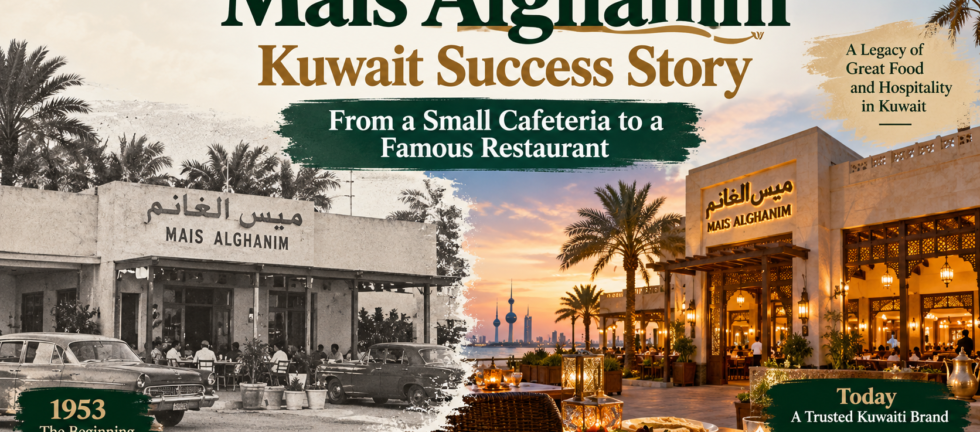
The Mais Alghanim Kuwait success story began in 1953, when Edmond Barakat, also known as Abu Emile, opened a staff cafeteria called Alghanim Mess for employees of Yusuf Ahmed Alghanim & Sons Company. Over the years, the small cafeteria developed into a restaurant serving a wider community.
Today, Mais Alghanim’s history provides useful lessons for entrepreneurs interested in successful businesses in Kuwait, restaurant management, family-owned companies and long-term brand building. Its journey demonstrates how a business can evolve while continuing to value food quality, customer service and hospitality.
Build trust through consistent service, understand your customers and grow without losing the values that make your business distinctive.
Mais Alghanim Kuwait Success Story: The Beginning in 1953
The story began with a simple business idea: provide meals for employees. Edmond Barakat’s Alghanim Mess gradually became a meeting place, offering complete meals and later expanding into takeaway and catering services.
This development transformed the original cafeteria into a restaurant serving customers beyond its initial workplace audience. Rather than starting as a large restaurant chain, the business grew by meeting a clear need and developing its services over time.
Entrepreneurs can learn from this early stage. A business does not always need to begin with multiple branches or a large operation. It can start with one useful service, understand its customers and improve as demand grows.
Read more about the company’s origins on the
official Mais Alghanim history page.
Family Leadership and the Growth of Mais Alghanim
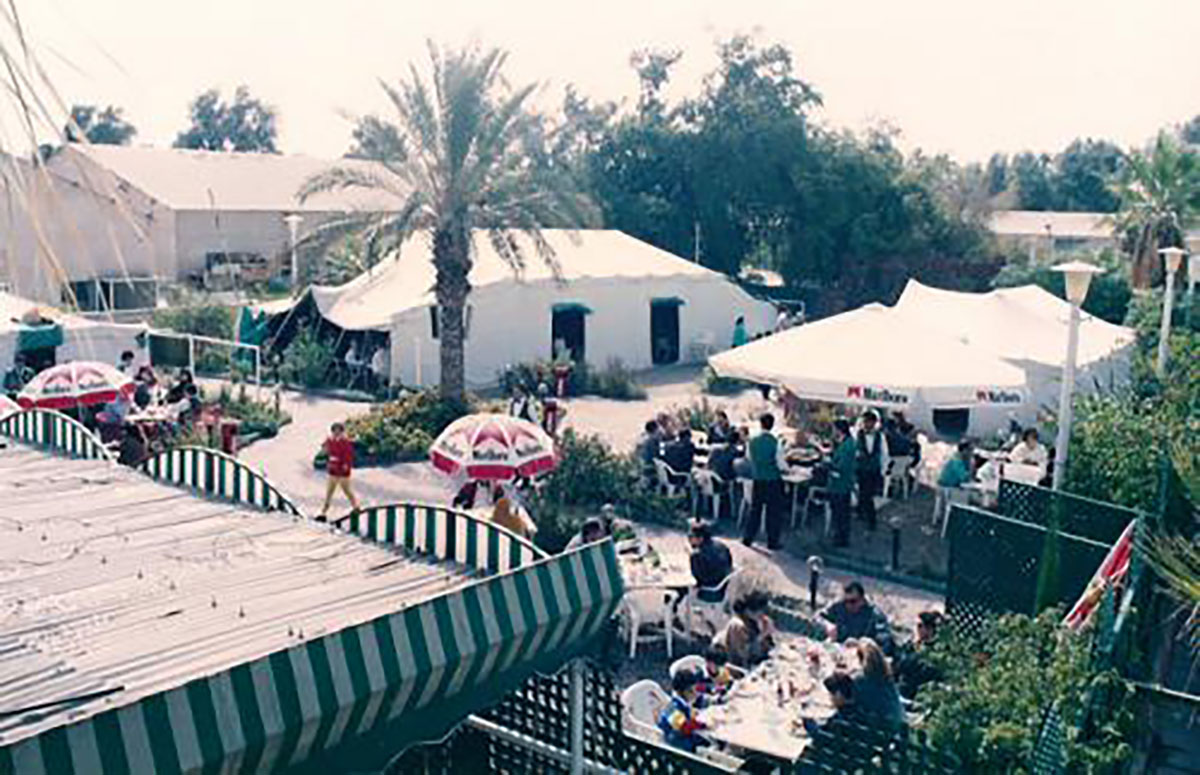
In 1974, Edmond Barakat’s son, Emile Barakat, took over the business and continued its development. The next important milestone came in 1987, when the restaurant moved to the former Kuwait Television station premises. The name changed from Mess Alghanim to Mais Alghanim.
The move gave the restaurant a new setting and helped establish its identity as a family dining destination. Its story illustrates how leadership can pass between generations while preserving the original vision and creating opportunities for growth.
Family businesses can benefit from continuity, experience and a shared purpose. At the same time, each generation must understand changing customer expectations and find ways to improve the business.
Preserve the values that customers trust while allowing new leaders to improve operations and explore new opportunities.
The Flagship Restaurant and a Strong Brand Identity
In 2003, Mais Alghanim moved to its flagship location on Arabian Gulf Road. The building’s traditional Kuwaiti design helped connect the restaurant’s identity with local heritage.
A restaurant brand is more than its menu. Customers also remember the atmosphere, service, surroundings and the experience they receive. A recognisable setting can become part of a business’s identity and help it stand out in a competitive market.
This is a useful lesson for entrepreneurs: the brand promise should match the customer experience. Product quality, visual identity, staff service and the overall environment should support the same message.
Expansion and New Ways to Serve Customers
As customer demand grew, Mais Alghanim expanded its operations. In 2010, the company opened a second restaurant in Mahboula and developed takeaway and delivery outlets to serve customers in different ways.
Some customers enjoy a full dining experience with family and friends, while others prefer takeaway, delivery or catering. Providing different service options can make a brand more accessible to customers with different needs.
Expansion, however, requires more than opening a new location. Businesses need trained staff, reliable processes and consistent service standards to protect the customer experience as operations grow.
Mais Alghanim Business Timeline
1953 — Foundation
Edmond Barakat opens Alghanim Mess as a staff cafeteria.
1974 — Family leadership
Emile Barakat takes over the business.
1987 — New name and location
The restaurant moves to the former Kuwait Television premises and becomes Mais Alghanim.
2003 — Flagship restaurant
The restaurant moves to its flagship location on Arabian Gulf Road.
2010 — Further expansion
A second restaurant opens in Mahboula, with additional takeaway and delivery services.
Customer Service and Loyalty: Important Parts of the Success Story
Mais Alghanim highlights food quality, outstanding service and value for money as important principles. In the restaurant industry, these elements can influence customer satisfaction and whether people choose to return.
Good customer service involves more than serving a meal. It includes welcoming guests, responding to feedback, maintaining consistent standards and making customers feel valued.
The restaurant has also published historical awards and recognitions related to service and customer experience. These provide additional context for the company’s stated focus on hospitality.
View Mais Alghanim’s awards and recognitions.
- Set clear quality standards.
- Train employees to deliver consistent service.
- Listen to customer feedback.
- Provide value, not just a product.
- Make customer satisfaction an ongoing priority.
Five Business Lessons from Mais Alghanim Kuwait
1. Start by Solving a Real Problem
Understand what customers need and build a service that addresses that need effectively.
2. Maintain Consistent Quality
Reliable products and service help establish customer confidence and encourage repeat visits.
3. Build a Recognisable Brand
A clear identity and consistent customer experience can help a business stand out.
4. Expand with a Purpose
New locations and services should respond to customer demand and be supported by strong operations.
5. Adapt Without Losing Your Values
Improve services and operations while preserving the principles customers associate with the business.
Frequently Asked Questions About Mais Alghanim Kuwait
When was Mais Alghanim founded?
Mais Alghanim traces its origins to 1953, when Edmond Barakat opened a staff cafeteria called Alghanim Mess.
Who founded Mais Alghanim?
The business was founded by Edmond Barakat, also known as Abu Emile.
Where was the old Mais Alghanim restaurant located?
In 1987, the restaurant moved to the former Kuwait Television station premises in Dasman, Kuwait. It later moved to its flagship location on Arabian Gulf Road in 2003.
How did Mais Alghanim expand?
The business grew from a staff cafeteria into a restaurant, later adding a flagship location, a second restaurant in Mahboula and takeaway and delivery services.
What can entrepreneurs learn from the Mais Alghanim Kuwait success story?
Its history offers lessons in customer service, quality, family leadership, brand identity and expanding in response to customer needs.
Conclusion: A Lasting Business Legacy in Kuwait
The Mais Alghanim Kuwait success story shows how a small cafeteria can evolve into a recognised restaurant brand through family leadership, customer relationships and long-term commitment. From its beginnings in 1953 to its later expansion, the business provides a useful example of how hospitality and consistent service can support growth.
For entrepreneurs, the central lesson is that growth is not only about opening new locations. It also means understanding customers, maintaining quality, building trust and improving the experience over time.