

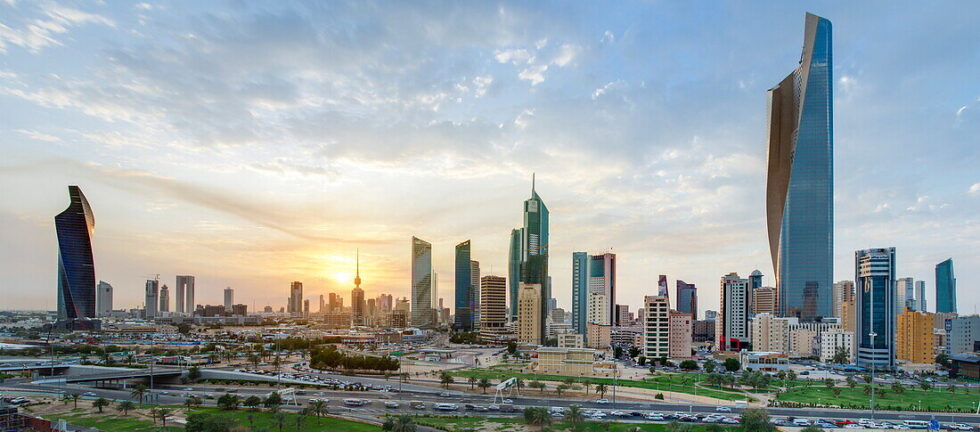
Kuwait has witnessed one of the most remarkable transformations in the Gulf region. From a small coastal society built on trade, pearl diving, and close-knit family life, to a modern nation driven by technology, infrastructure, and global connectivity, the contrast between old Kuwait and new Kuwait is striking. Yet, despite the rapid modernization, many traditional values continue to shape daily life in Kuwait.
Life in Old Kuwait
1. From Walled Town to Open Capital
Old Kuwait (Pre-Oil):
-
Kuwait City was a small walled settlement
-
Three defensive walls protected the town
-
Entry points (gates) controlled movement
-
The city ended near the sea — nothing beyond
Now:
-
City walls were removed completely
-
Kuwait expanded outward in all directions
-
Open road networks replaced gates
-
Suburbs spread far beyond the original city
➡️ This shift alone changed Kuwait from a village-scale town into a modern capital in Kuwait.
2. Seafront: From Dhows to Towers
Old Kuwait was simple, community-driven, and deeply rooted in tradition. Most families lived in closely packed neighborhoods where everyone knew each other. Doors were often left unlocked, and trust was a natural part of daily life. People depended heavily on the sea—fishing, pearl diving, and maritime trade were the backbone of the economy.
Daily routines revolved around the weather and prayer times. Without air conditioning, families adapted their schedules to the heat, resting during the afternoon and becoming active in the evenings. Social gatherings were central to life, especially the diwaniya, where men met to discuss community matters, trade, and politics. These gatherings were not just social events; they were informal decision-making spaces that strengthened unity.
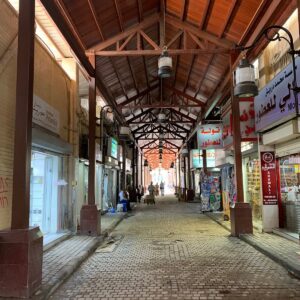
Shopping was done in traditional souqs, where bargaining was common and relationships with shopkeepers were personal. Food was homemade, simple, and shared generously with neighbors. Life moved at a slower pace, but it was rich in human connection.
The Rise of New Kuwait
Modern Kuwait presents a completely different picture. Glass towers, highways, luxury malls, and smart technology define today’s urban landscape. Oil wealth accelerated development, transforming infrastructure, healthcare, education, and employment opportunities within a few decades.
Technology now plays a major role in daily life. Smartphones, online services, food delivery apps, and digital payments have replaced many traditional routines. Workdays are structured around office hours, traffic, and meetings rather than the rhythm of nature. Shopping has shifted from souqs to large malls and online platforms, offering global brands and convenience.
Housing has also evolved. Large family homes and apartments with modern amenities are common, and privacy is valued more than ever. Air conditioning, cars, and advanced appliances have made life more comfortable, especially during Kuwait’s intense summers.
Social Changes and Cultural Balance
One of the biggest differences between old and new Kuwait lies in social interaction. While community bonds remain important, modern life has become more individualistic. People are busier, and face-to-face gatherings are sometimes replaced by digital communication.
However, tradition has not disappeared. The diwaniya still exists, though its role has evolved. It now blends old customs with modern discussions, often focusing on business, current affairs, and social issues. Family ties remain strong, and respect for elders continues to be a core value.
Women’s roles have also expanded significantly. Education, professional careers, and entrepreneurship have opened new doors, reflecting a society that balances tradition with progress.
Old vs New: A Shared Identity
While old Kuwait represents simplicity, unity, and patience, new Kuwait reflects ambition, speed, and global integration. Neither era is better or worse; each has its own strengths. The challenge today is preserving cultural identity while embracing innovation.
Kuwait’s true strength lies in this balance—honoring its past while confidently moving toward the future. As life continues to change, the values of hospitality, respect, and community remain the bridge connecting old Kuwait to the new.
1. What was life like in old Kuwait?
Life in old Kuwait was simple and community-based. People depended on fishing, pearl diving, and trade, with strong family ties and daily social gatherings like the diwaniya.
2. What are the biggest changes in modern Kuwait?
The biggest changes include modern infrastructure, technology, digital services, air-conditioned living, luxury malls, and a fast-paced lifestyle supported by oil-driven development in Kuwait.
3. Has Kuwaiti culture disappeared with modernization?
No. While lifestyles have changed, core values such as hospitality, respect for elders, family unity, and diwaniya culture are still very much alive.
4. How has technology changed daily life in Kuwait?
Technology has made life more convenient through smartphones, online payments, delivery apps, and digital communication, reducing dependence on traditional routines.
5. Do people still follow traditional customs in Kuwait today?
Yes. Traditions are still practiced, especially during family gatherings, religious occasions, and social events, even as modern habits continue to grow.
6. What connects old Kuwait and new Kuwait?
The strong sense of identity, pride in heritage, and community values connect both eras, creating a balance between tradition and modern progress.